July 25, 2023
by Stephen T. Messenger
I asked myself, “How many times in my 23-year career have I not felt psychologically safe?” The answer was uncomfortably high.
And yet, here I am running an organization, which makes me wonder how safe people feel in the culture I’m creating.
Psychological Safety
Psychological safety is the shared belief that anyone can speak up without a risk of public humiliation or punishment. There’s a trust component to this. Trust is the expectation that a person will act in a way that is favorable to both individuals and the group.
Psychological safety is a bit harder and transcends individual trust. It’s more a team climate where all participants trust each other to where they’re comfortable bringing forth ideas and dialogue to the group. It’s not enough to just establish trust with your leader but have it with everyone in the room.
This is sometimes challenging because two factors that both must be true:
- The leaders and peers in an organization must be accepting of any type of dialogue or ideas.
- You must feel safe enough to express those ideas.
Psychological Safety Relates to Performance Standards

I ran across the above sketchnote from Professor Amy Edmondson, Novartis Professor of Leadership and Management at the Harvard Business School. Bottom line: leaders set the tone.
I’ve thought about this all the time in my occupation, but never conceptualized it. I loved it so much I pulled this diagram out with all my senior organizational leaders and discussed it.
The x-axis is a scale of performance standards ranging from low to high. I argue that leaders must always set the bar high and push the organization to do more than they can think or imagine. In fact, it’s the mantra of this website – The Maximum Standard.
The y-axis represents the psychological safety that your team may feel, high or low, in your organization. The matrix is interesting.
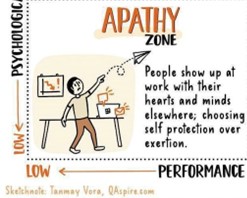
Low Standards and Low Psychological Safety = Apathy. In most cases, your people come in to work every day wanting to do a good job. Yet, if you set low standards and let them think you’ll rip their head off if they provide input, they’re not motivated to perform. They remain silent to protect themselves from the boss.

High Standards and Low Psychological Safety – Anxiety. High standards are great. But an unsafe environment just stresses everyone out. If you’re driving your people to do more while creating an environment where they’re fearful of bringing new ideas to the table, you’re creating anxiety in your team.

Low Performance Standards and High Psychological Safety = Comfort. In this scenario, the standards are again low, but trust and safety are high. This is good and bad. Good because people like working there. Bad because there are no major gains happening. You’ll get by but not move the ball forward.
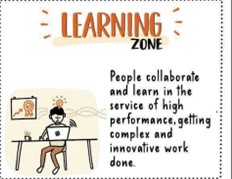
High Performance Standards and High Psychological Safety = Learning. This is where we must all strive to be. Your people are held to the highest standards while being comfortable speaking up, talking about new ideas, and making progress by trying and failing.
The Learning Zone
Personally, I want to live in the Learning Zone. I want to be challenged everyday by others and myself but have mistakes overwritten by my boss. As a leader, I want to create an environment where my people are trying new things and learning everyday—not afraid to fail but willing to fail for the sake of seeking breakthroughs.
People feel empowered to speak up, share concerns, and ask questions knowing they’ll be heard. They’re comfortable saying, “I don’t know,” and then go seek out the answers. They admit mistakes and learn from them, sharing lessons with the group. Finally, they live in a state where they’re not hindered by interpersonal fear and a cooperative culture thrives.
It’s About the Discussion
So how do you get there? You have to talk about it. I recommend taking this sketchnote and having a dialogue with your leadership team. Ask where everyone is on the chart. Share thoughts about it. Talk about where you have been, where you are, and where you want to go. And let them frame the conversation while you listen.
This is often about cultural shift, and it won’t happen by itself. You have to have a strategy to put this in place and filter it down to all levels in the organization. Create safe spaces and challenge your team!
Join us by subscribing above to The Maximum Standard – a free way to develop your leadership skills and improve on your journey. Sign up today!
 The Maximum Standard