February 20, 2025
by Alexander E. Limber
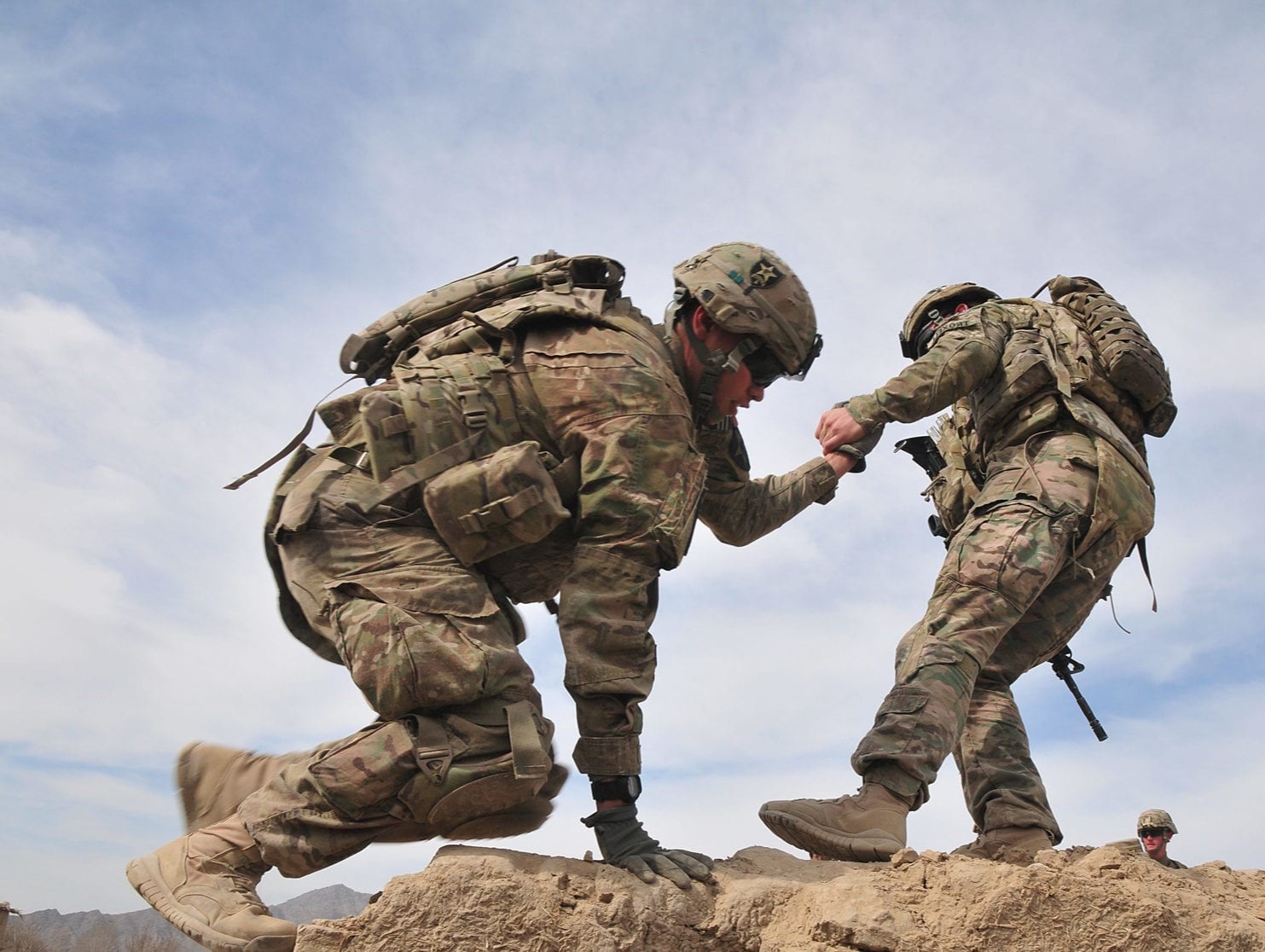
Hopefully we can all remember a boss who earned our highest admiration and respect. They went out of their way to serve their people. The best ones came around and asked how we were doing. They spend time in conversation and getting to know us. They looked out for our best interests while accomplishing the needs of the organization. Through these relationships, we were eager to make them proud and nervous to disappoint them because they cared. These people were more than just a boss and more than just a leader—they were what many experts refer to as a servant leader.
For me, as a future Second Lieutenant in the U.S. Army, servant leadership isn’t just another leadership style. It’s a way of life as this discipline doesn’t have days off, focuses on developing others, and builds a brighter future. Servant leaders are the ideal role model as they can ‘walk the walk’ of caring for others while generating mission success. Every organization, including the Army needs servant leaders to get results, improve performance, and build trust.
Servant leadership is a style where we put the needs of others first while bettering our organization. Servant leaders are driven by our desire to better and empower others. Unlike other leadership styles that use a top-down hierarchical model, servant leadership uses a bottom-up approach. The servant leader looks down to have a better connection with followers and foster a positive community. Servant leaders do this by using traits of listening, empathy, healing, awareness, persuasion, conceptualization, foresight, stewardship, commitment to grow others, and community building (VanBenschoten, 2024).
When looking for an example of servant leadership, look no further than Colin Powell, former U.S. Army General, Chairman of the Joint Chief of Staff, and Secretary of State. Powell is widely regarded as the pinnacle of a servant leader by how he truly cares about his people and took the time to listen to them. He would often involve others in the decision-making process and by doing so empower his subordinates (Griffing, 2019).
What the Army Says About Leadership
According to Army Doctrine Publication 6-22, Army Leadership and the Profession, an ideal leader “…has strong intellect, physical presence, professional competence, moral character and serves as a role model” (p. v). These traits and attributes correlate to the ones associated with servant leadership. But why would the Army care about this concept? Well, Servant leadership is about leading and serving others which aligns with the mentality of Army leadership. The Army itself is a big proponent of developing soldiers so that they can reach their full potential. By doing so, it leads to us growing as an organization which in turn makes our ability to accomplish missions more attainable.
Why the Army Needs More Servant Leaders
We need more servant leaders to get results, improve performance, and build trust. When done well, small acts of serving lead to massive gains.
Servant leaders generate results by the relationships we build within our organization. In my ROTC Battalion, I plan and organize several recruitment and outreach programs which benefit the local community and generate funding. Often, it’s hard finding volunteers as many of my peers have very busy schedules; however, I’m always able to fully staff these events. I attribute my success to the relationships I’ve formed and by sharing the vision behind the work. Servant leaders take time to personally build rapport with others through personal connection and provide a clear view of the goal and impact their work has on the organization. When done right, they will want to contribute to that goal. Colin Powell’s Eleventh Rule is, “Have a vision. Be demanding.” Servant leaders get results by connecting and sharing with others, then making the mission happen.
Servant leaders are able to increase performance within their organizations by including their followers in the decision-making process. As one responsible for many tasks, I often look at developing those around me to make them more comfortable with taking on future projects. I do this by slowly giving them more and more responsibility when organizing events. As a way to get them involved, I ask questions such as “What would you do?” or “What do you think?” The end result often leads to them playing a larger role in the development of our projects. By doing this, we’re improving upon their abilities, which over time builds not only their performance, but mine as well. Powell’s Fourth Rule is “It can be done.” Servant leaders impress upon others that they can do things that exceed their current abilities.
Servant leaders contribute to a positive environment by being a person their peers and subordinates trust to bring up problems. Having an open-door policy stimulates and builds trust between the leader and their followers. Leaders should be wary of their people not asking for help. Colin Powell famously said, “The day soldiers stop bringing you their problems is the day you have stopped leading them.” However, this isn’t always easy as it takes time to gain the trust of our people. For me, I build trust with my peers by asking them how they’re doing or if they need any help with any of their projects or classes. I also ensure that during training, I put myself in either as bad or a worse situation than they are in. One time during a training event it began to rain on us. Unfortunately, for my battle buddy, they didn’t have any wet weather gear, I didn’t mind getting wet, so I gave them my poncho to wear. Over time, small actions like these build trust and respect and open doors for them to use when they need help.
The fact of the matter is servant leaders are too few and far between, and the need for these type leaders is ever growing to both support our people and complete our missions. The importance of my challenge to you cannot be understated: take heed to the needs of our people. Be a force for positive change that leads to a better tomorrow.
Alexander Limber is a student at The University of Akron, majoring in Emergency Management and Homeland Security. He is a Cadet in the Akron Army ROTC program and is looking to branch Infantry or Armor. His hobbies include weightlifting, reading, and spending time with friends and family.
Leaders read, think, discuss, and write about leadership. Your first step should be to sign up for The Maximum Standard’s weekly email where you’ll get a leadership vignette delivered for free every Tuesday morning! This could also be your year to get published in the Maximum Standard—we’re always looking for authors.
Griffing, Aaron. (2019). Servant leadership: Ten military figures who got it right. Army University Press.
Guigni, A. (2023). Resilience and servant leadership. Army University Press.
VanBenschoten, B. (2024, July 26). What is servant leadership?. What is Servant Leadership?
 The Maximum Standard