June 3, 2025
by Stephen T. Messenger
I don’t have a green thumb, but last month, I tried something new on the lawn: weed and feed.
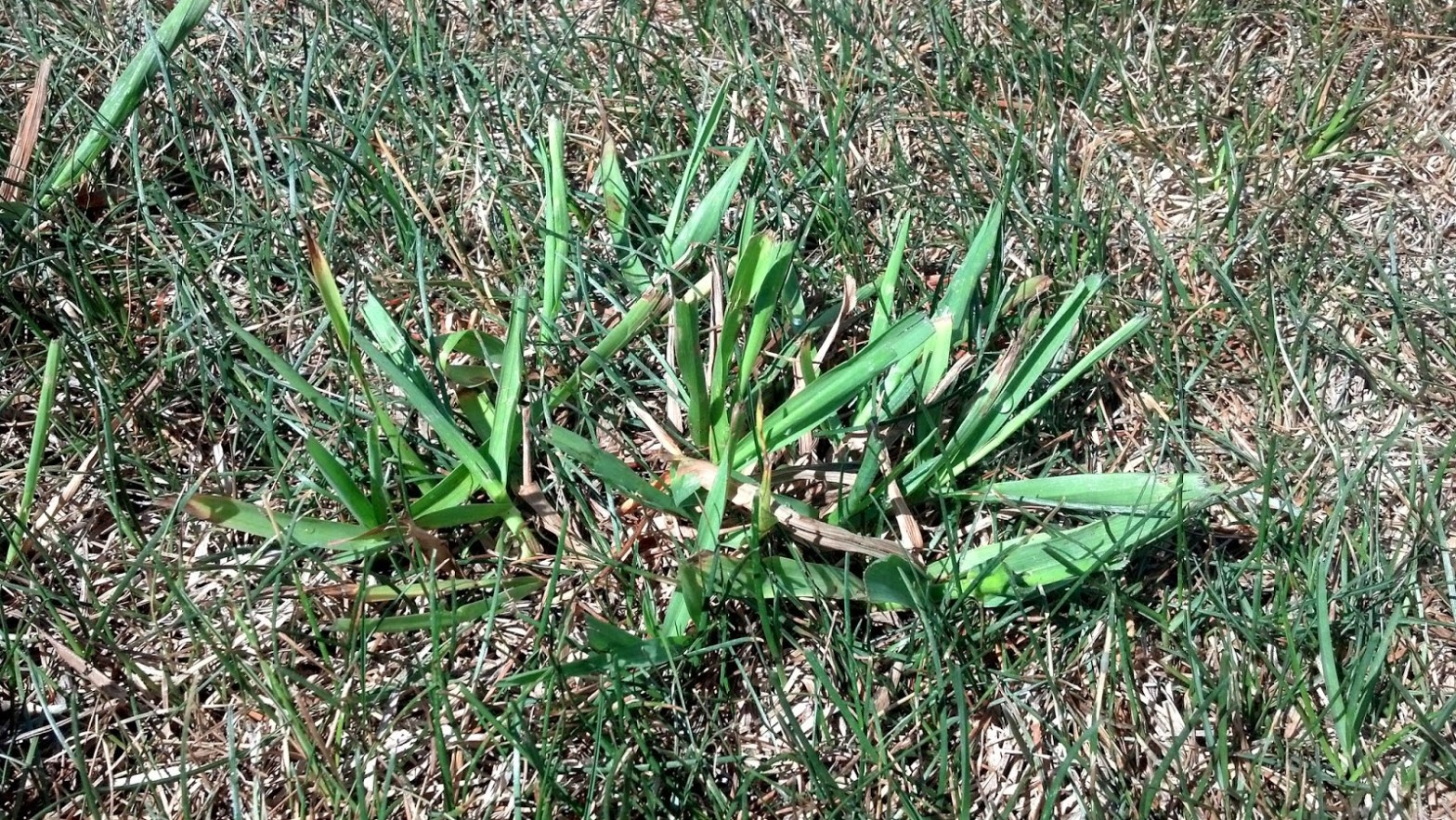
After moving into a new house last August, we had to grow a yard from scratch, literally from bare dirt. The problem was that we ended up with as many weeds as blades of grass.
This year, I was determined to get it under control. I carefully read the weed and feed instructions and applied the recommended amount, but the whole time, I was doubtful. This can’t possibly work, I thought. It’s not enough. The pellets aren’t sticking to the weeds. There’s no way this is going to make a difference.
But then a quiet voice inside me said, “Trust the process.”
It’s funny how often success comes from simple, consistent actions, yet we still doubt and look for shortcuts. Real growth takes time. In leadership, it’s not about grand gestures or instant results. It’s about following clear steps, making steady progress, and having the patience to let growth take root.
The Process Works
Trusting the process means having faith in our actions, especially when things seem like they’re not working. It’s the belief that each step is bringing us closer to our goal, even if it feels fruitless or part of a setback. There’s simply no way that we can know the outcome for sure, but through patience and perseverance we make steady progress.
When I read the instructions on the weed and feed, they made no sense to me. The label said to use a spreader setting of 4.5 out of 10, distributing what I thought was way too small an amount. Every fiber in my being wanted to crank up the setting to pour more weed killer and nutrients onto the ground, doubting all the scientists and biologists who wrote the book.
But trusting the process is having faith that our actions will lead to the greater good. Often, it’s about doing less than doing more. I love to work out but know that rest and recovery are just as important as the exercise itself. Yet my human brain struggles to trust the passive process of resting, rather than actively hitting the gym.
Holding the Line
In late 1950 Korea, U.S. and UN forces were in full retreat from the Chinese intervention. There was real talk of abandoning the peninsula in its entirety. That’s when General Matthew Ridgway took command of 8th Army.
Best known as the WWII commanding general of the 82d Airborne Division, Ridgway understood how to trust the process, much like trusting his parachute equipment while jumping out of airplanes. Instead of trying anything flashy, he focused on the blocking and tackling of soldiers: boots on the ground, logistics, small unit leadership, and aggressive patrolling.
He trusted the slow, methodical process of rebuilding morale, cohesion, leadership in commanders, and achieving realistic small wins instead of seeking game-changing, quick victories.
This didn’t produce instant success, but over the following months, U.S. and UN forces pushed back, retook Seoul, and stabilized the front. The war settled into a more favorable stalemate rather than a catastrophic defeat.
Ridgway believed in the fundamentals. He trusted in a process rather than a quick win. It isn’t easy to be patient in times of war, but Ridgway knew that if the basics were executed relentlessly, the situation would turn. And it did.
Three ways to trust the process are to follow the directions, continue to make progress, and have patience. Much like growing a lawn, there is nothing secret, complicated, or hard to do. It’s simply about trusting the process.
- Follow Clear Steps. Let’s be honest, the directions to success are out there. Floss every day, an apple a day keeps the doctor away, make our beds, drink water, work hard, smile, and get enough sleep. Much like weed and feed, there are very clear steps to being successful. Go outside and start putting one foot in front of the other.
- Make Steady Progress. Often the key to life is just continuing to move forward. There will always be obstacles in our way, but consistency routinely beats challenges. There is nothing hard about growing a lawn; it is all about planting seeds, watering daily, and seeing small seedlings pop up.
- Have Patience. This is often the hardest of the three steps, because we want to see results today! Our fast-paced culture doesn’t want to wait. Yet just like growing grass, we start with dirt and it will look like dirt for a while. When the grass comes up, it will look sparse. We can’t expect it to happen overnight.
There are a few key aspects to trusting the process. First, accept what we can’t control. Life will present us with situations beyond our influence. We can’t change time, make decisions for other people, or determine weather patterns. Fighting against forces we have no say in only leads to frustration.
Second, practice grace. When things aren’t going our way, it’s easy to feel guilty, pessimistic, or doubtful. It’s easier to let negative self-talk get to us, which is why we need to talk to ourselves as we would a close friend. We wouldn’t tell someone who is struggling that they’re going to fail. Instead, we need to build ourselves up with encouragement, kindness, and patience.
Finally, trust in timing. It’s normal to experience frustration when we don’t get our way. The instructions on my weed and feed said it would take seven days to see results, yet on day two I was looking out the window for success. Progress takes time, weeds don’t die in one day, and Korea wasn’t recovered overnight. We know things take a while. Don’t fight time, but let it work for us.
The Process Works
Looking at my lawn today, I wish I could say it’s a lush greenery with zero weeds. It’s not. Weed and feed is only one step in many to cultivate a prize-winning lawn. But each blade of new grass is proof that the process is working quietly, steadily, and faithfully beneath the surface.
When we take small steps towards improvement, accept what we cannot control, and leverage time as a force multiplier, we see results.
Trust the process.
We’re always looking for authors. We coach first time authors (and anyone) through the writing process if you need a little help. It’s worth taking the first step and showing interest.
This website is a personal blog and all writings, podcasts, opinions, and posts are the authors’ own and do not represent the views of the United States Army nor any other organization. Podcast music credit in this audio file is to: “Alex Productions – Legends” is under a Creative Commons license (CC BY 3.0). / @alexproductionsnocopyright
 The Maximum Standard