November 13, 2025
by Alexander Limber
“Leadership is a potent combination of strategy and character, but if you must be without one be without strategy” – Gen. Norman Schwarzkopf
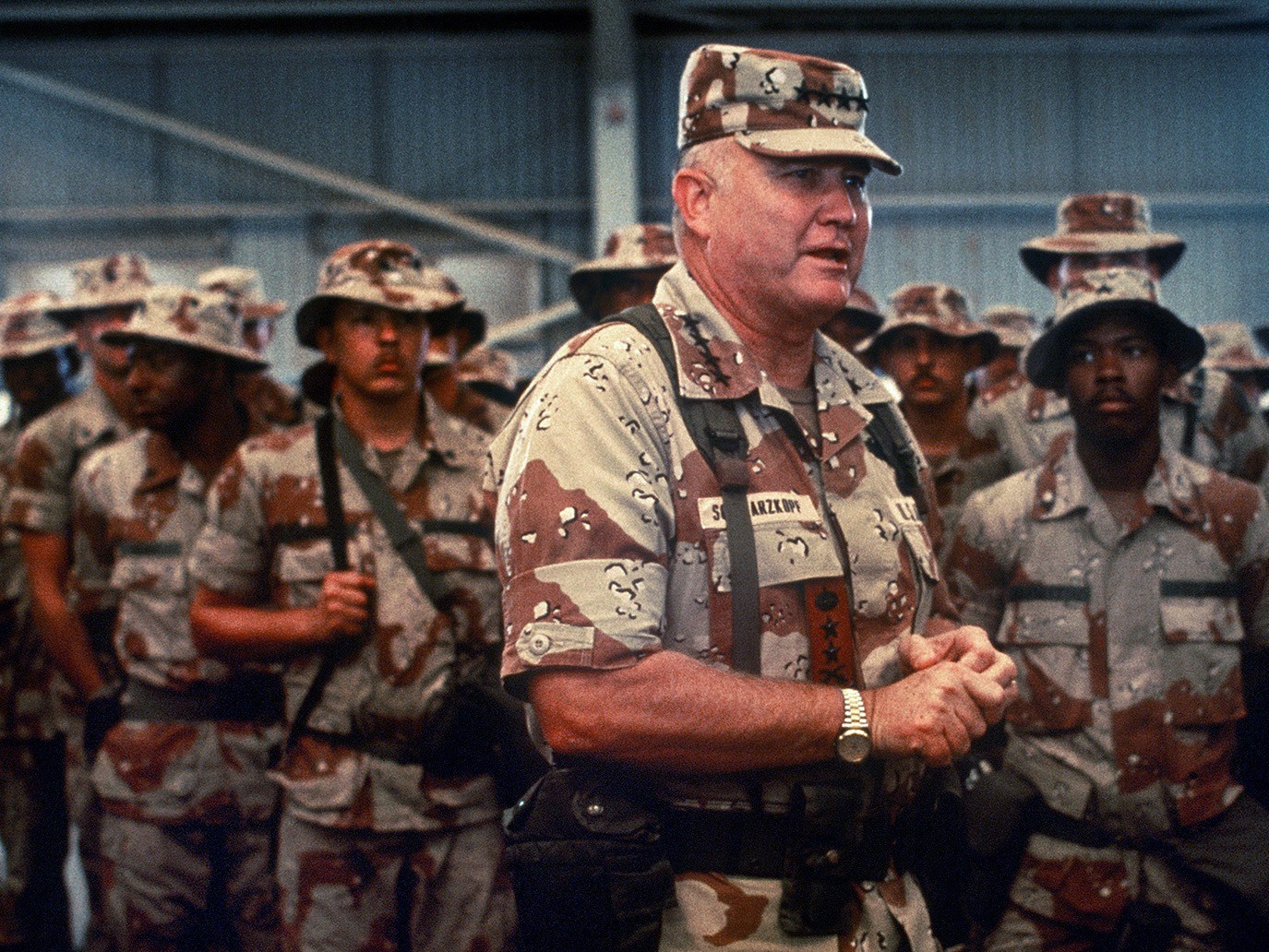
When it comes to leadership, many view it in terms of making decisions, having authority, and knowing strategy. However, General Norman Schwarzkopf, a highly respected military leader of the 20th century and Commander of the Coalition Forces during the Gulf War in 1991, viewed it differently. To him leadership was the fundamental principle of “character.” In his eyes the most powerful expression of character was to lead by example.
As the Commander of Coalition Forces, he found himself leading approximately 700,000 coalition troops to a swift victory in Operation Desert Storm. What sets him apart from other leaders of his time was not simply his brilliant strategic and tactical knowledge, but his unwavering commitment to being professional, having self-discipline, and demonstrating compassion.
Professionalism: Being Present
Schwarzkopf was renowned for his calm, stoic presence that inspired confidence and earned respect from those around him. A great example is his famous press conference that was held following the success of Operation Desert Storm, known as “The Mother of All News Conferences.”
In front of an international audience, Schwarzkopf delivered a detailed briefing on the operational success of Desert Storm. He calmly explained the Coalition’s strategy, anticipating questions and answering them with humility, crediting the troops over himself. Instead of demeaning the Iraqi forces, he spoke about them with respect and professionalism.
Schwarzkopf briefed so well that reporters and military officials still talk about it today. His presence wasn’t about showmanship or ego; rather, it was about being fully present: emotionally, mentally, and physically. He had demonstrated that leadership isn’t about dominating the room, but commanding it through authenticity, clarity, and respect.
He knew that being present wasn’t simply standing in front of people. Leadership is about listening, observing, and responding to those right in front of us. As leaders, we must recognize that the perception of our presence is just as important as our physical presence. People notice when we demonstrate engagement, focus, and authenticity, and these qualities build credibility, foster morale, and inspire loyalty.
Self-Discipline: Emotional Control
Schwarzkopf’s leadership was grounded in self-discipline, a trait that would define his character and command. Nicknamed “Stormin’ Norman” due to his fiery personality and his fierce temper, he was not immune to anger. However, unlike others, he was able to recognize that such emotion would inevitably undermine the very thing that he held in such high regard: the principle of character. He understood his anger would only dissolve the trust and respect from those who served under him. Fueled by resolve, he over time mastered controlling his anger.
He demonstrated a prime example of maintaining self-control during the Gulf War. Under constant stress leading a Coalition of thirty nations, and facing intense political and public pressure, Schwarzkopf was able to maintain his professionalism during every public appearance and command meeting. Even when confronted with misinformation, provocation, and at times hostility from reporters, he would respond with a calm firmness, but never anger. His ability to remain calm under pressure gave his soldiers and allies confidence in his leadership.
Schwarzkopf, by mastering his temper, demonstrated one of the most difficult forms of self-discipline: emotional control. In moments where other leaders would lash out in anger, he chose restraint. This restraint would become a form of strength, not weakness, and helped reinforce the respect from those who followed him.
Compassion: Hidden Strength
Schwarzkopf believed that a leader should never ask their people to do something they wouldn’t do themselves. He demonstrated this notion not just with words, but through actions. He wasn’t a behind the desk leader and would often take time to visit his soldiers at the front whenever he could. This would be a habit that he had picked up from serving in Vietnam.
During his second tour the soldiers under his command found themselves trapped in a minefield. Upon hearing of their predicament, he immediately went out to the scene. Once there he encouraged the soldiers to slowly retrace their steps; but in the process, one soldier tripped a mine. This young man, now severely injured, was flailing in pain and many feared he might set off another explosion. Though he was injured himself, Schwarzkopf rushed to the wounded soldier to help hold him down while another placed a splint on the soldier’s legs.
It was at that time a second mine went off, killing three soldiers and severely wounding another. Despite the disastrous scene that unfolded before his eyes, Schwarzkopf successfully led the survivors to safety and earned the Silver Star for his heroic actions.
Schwarzkopf’s decision to enter the minefield to rescue his soldiers was not something he was expected to do, nor required. As the commanding officer, he could’ve directed the rescue from afar or tasked it to someone else. However, it was his sense of responsibility and compassion for his soldiers that drove him to take action. This moment sheds light on his core leadership philosophy: true leaders lead from the front and not from the back.
The Legacy of Character
General Norman Schwarzkopf’s legacy reminds us that leadership is not defined by our authority as a leader, but by our character that guides decisions and actions. Throughout his career, he had demonstrated professionalism, self-discipline, and compassion not when it was convenient, but as a constant reflection of who he was and the values he held dear.
His example is a testament that leadership is not a position that you claim, but the responsibility that you fill with purpose and humility. Ultimately, true leadership begins the moment we have the personal courage to look inward. That is where we confront our flaws, nurture our virtues, and commit to bettering ourselves, not just for our personal growth, but for the well-being of those who put their trust in us.
Alexander Limber is a student at The University of Akron, majoring in Emergency Management and Homeland Security. He is a Cadet in the Akron Army ROTC program and is looking to branch Infantry or Armor. His hobbies include weightlifting, reading, and spending time with friends and family.
Click here to sign up for The Maximum Standard’s weekly email where you’ll get a leadership vignette delivered for free every Tuesday morning!
We’re always looking for authors. We coach first time authors (and anyone) through the writing process if you need a little help. It’s worth taking the first step and showing interest.
Subscribe above to join The Maximum Standard community. We are looking for others to lead along with us, write about leadership, and improve organizations. Clicking above will place you on our weekly, free email distribution list – no ads, no fluff. Just leaders connecting with leaders. Join us!
 The Maximum Standard