January 13, 2026
by Stephen T. Messenger
The 2012 film Zero Dark Thirty, based on real events, portrays CIA agents dedicating their careers to locating Osama bin Laden. After years of setbacks, frustrations, and dead ends, they are summoned into the boss’ conference room.
As frustrated as they are, he shouts: “I want to make something absolutely clear. If you thought there was some secret cell somewhere working al-Qaeda, I want you to know that you are wrong! This is it. There’s no working group coming to the rescue. There’s nobody else hidden away on some other floor. This is just us. And we are FAILING!”
It would be nice if there were people in the back room working on solutions to all our problems, ready to come to the rescue. But it’s clear that nobody is focused on our lives but us. Sure, we have a boss, but their job is not to do ours. It’s to make sure we do it, and they expect us to be successful.
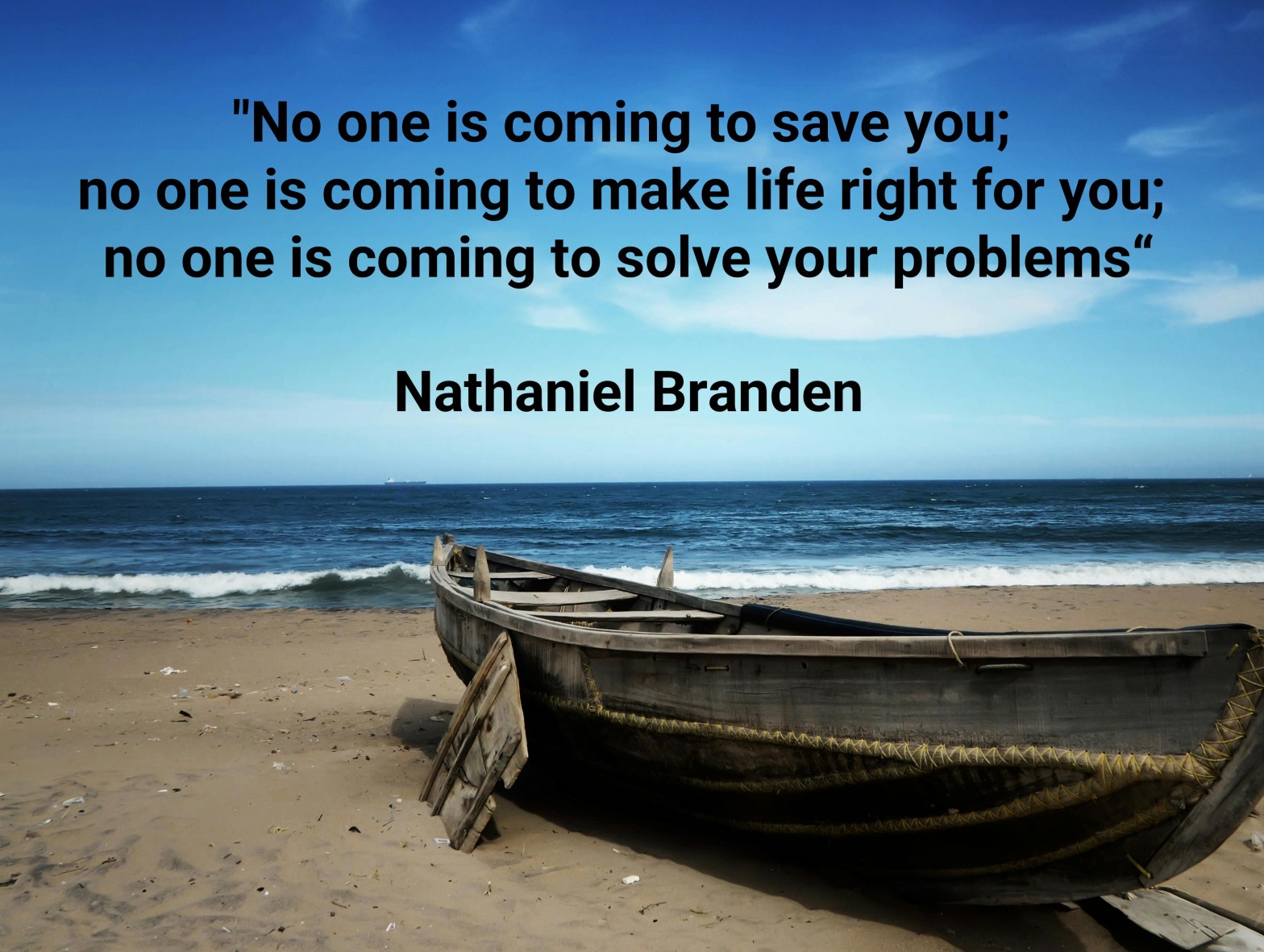
There are two key ideas in this narrative. First, we have to act like no one is coming to save us and do everything in our power to not just avoid failure, but deliver overwhelming success. Second, when we see someone drowning, we can be their help.
Ender’s Game: No Help and a Helper
The novel Ender’s Game follows a similar theme to Zero Dark Thirty: no one is coming to help. Young Ender Wiggins is a child recruited to become a high-ranking officer in Space Command. The adult instructors put him through tests where he shows promise, elevating him to the top of the class. However, this newfound success draws the attention of the other cadets, who begin to bully Ender.
As the instructors watch Ender getting pummeled by his classmates, they debate helping him out. Ultimately, they decide that Ender must learn that in his battles, there is no help coming. He must figure it out by himself.
Ironically, Ender turns around and is always there to help his friends when they need assistance. He accepts that he is totally responsible for his own fate while reaching down to assist others around him. This is a great picture of leadership where we are accountable to succeed on our own while lifting others up.
There Is No Help Coming
We’ve all experienced places where no help is coming. No person will swoop in to fix our marriage or parenting; it’s all on us. At work, (hopefully) someone isn’t watching over our shoulder waiting to jump in and solve a problem we’re struggling with. And when we feel down, there’s no therapist that’s waiting to knock on our door to help us cheer up.
This isn’t meant to drive us to hopelessness; in fact, quite the opposite. Once we come to the realization that our life is our responsibility and can be determined by our actions, we gain control of our life. It comes from the psychological principles of self-reliance, resiliency, and internal locus of control.
Self-reliance is the ability to trust our own judgment and capabilities to be successful. Resiliency is the ability to stand in a tough place and recover quickly from adversity while still moving forward. Locus of control is the belief that we own our actions and subsequent outcomes, with the results based on our choices. With these three mindsets, we recognize that our destinies are shaped by the decisions we make.
Now, perhaps we’re in a place with lots of help. That’s a great thing. But at the same time, we should still have the mindset that we control our outcomes based on our thoughts, actions, and decisions, and can make it through any situation no matter what.
You Are the Help Coming
On the flip side, there are people out there who believe the opposite: help has to come, or I am doomed. For these people who work around us or are potentially in our home, they are looking to us to help, and we should jump in when needed.
On the radio, there’s a DJ on the National Christian Music Radio Station KLUV that likes to say: “There are good people in this world. If you can’t find one, be one.” Just because we have the mindset that no help is coming for us, it doesn’t mean we shouldn’t help those around us.
Not only is the gift of helps a great leadership trait, it also has positive psychological effects. People who help experience a neural response similar to those who receive. We are wired to want to give joy and kindness. Studies have shown that giving has a number of positive effects including stronger friendships, a sense of belonging, reduced stress, higher self-esteem, and many more.
Just because no help may be coming for us, doesn’t mean we shouldn’t go out of our way to help others. As the DJ says, be the good in this world for those who need it.
We Can Be Both
As a young infantry platoon leader on a remote outpost in Afghanistan, I frequently manned the Quick Reaction Force, or QRF. This was a team of four military HMMWVs with machine guns that would respond if an element outside the wire received contact. It was the last local combat power we had if things went sideways.
We were simultaneously the help for someone else and the last help that was coming. When on the QRF, after us there was no one. We had to solve whatever problem we responded to.
Life is like this. We should be actively looking to help people in all walks of life. At the same time, we will constantly experience problems. In those, we need the mindset that we can solve these challenges with our skills, knowledge, experience, judgment, and critical thinking, five key attributes of military commanders.
There have been so many times in my life when I had to figure it out myself: a student at Airborne School, patrols in Afghanistan, my marriage, raising a child (in this case no help was coming to help both my wife and me), commanding a garrison, and literally hundreds of work projects that I was expected to solve. This is not a bad thing. People trust us to get the job done. Simultaneously, people trust us to help them in their time of need.
There is no secret back room solving our problems. Responsibility rests with us, and so does the duty to help others.
Click here to sign up for The Maximum Standard’s weekly email where you’ll get a leadership vignette delivered for free every Tuesday morning!
We’re always looking for authors. We coach first time authors (and anyone) through the writing process if you need a little help. It’s worth taking the first step to get published.
This website is a personal blog and all writings, podcasts, opinions, and posts are the authors’ own and do not represent the views of the United States Army nor any other organization. Podcast music credit in this audio file is to: “Alex Productions – Legends” is under a Creative Commons license (CC BY 3.0). / @alexproductionsnocopyright
 The Maximum Standard