February 5, 2026
by Sean Elwin and Jacob Pattison
“The only thing of real importance that leaders do is to create and manage culture.”
-Edgar Schein
The military understands that culture is not just a concept, but a critical component in the transformation process from civilian to warfighter. Recruits arrive at basic training as one of many, with different backgrounds and attributes. While individuality is stripped away, drill sergeants mold service members to become part of a greater collective while still leveraging their skillsets. Basic training is designed to teach people who are different what it means to become a team.
This principle applies to any organization. The initial integration is where the foundation of culture begins: creating shared understanding and common values transforms individuals into cohesive teams. Culture is the first standard. It’s a journey where without it, no team can achieve excellence, regardless of talent or effort.
The Transformation from Individual to A-Team
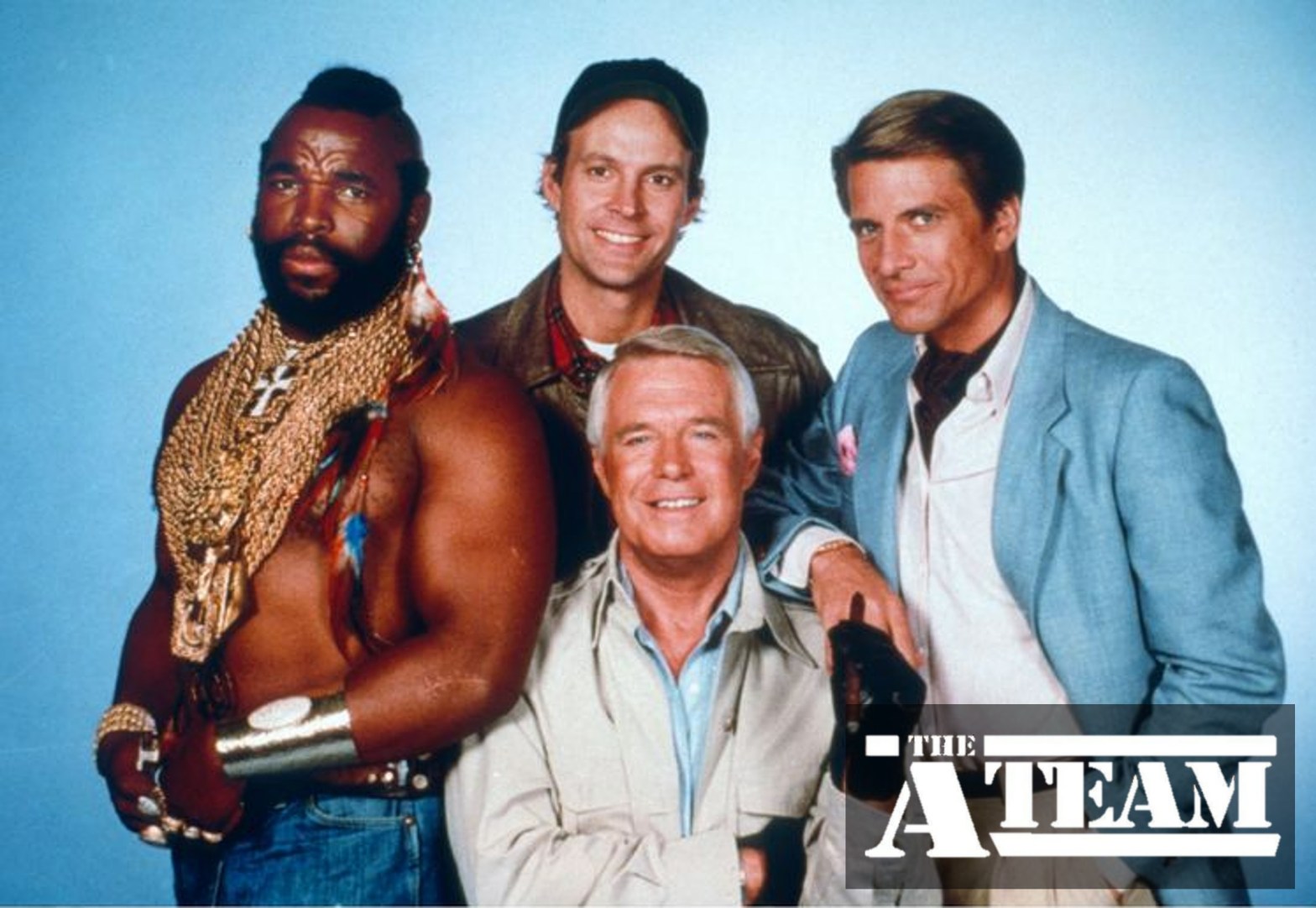
We arrived at Basic Training as a motley crew, a ragtag group that could not be mistaken for the A-Team. If you remember, this group of four from the 1980’s TV show was completely different, yet leveraged their strengths to collectively excel. John “Hannibal” Smith was a U.S. Army colonel and strategist. Tempelton “Face” Peck was an intelligence officer, con-man, and smooth talker. H.M. Murdock was a skilled pilot. And B.A. Baracus was a heavy weapons specialist and mechanic, also known for his strength. These four different people should never be together. Yet they bonded through repeated covert missions behind enemy lines to become a highly knit team because of their different strengths.
Back to basic training, we were individuals from all backgrounds and walks of life, with our only goal to pass initial entry training, not understanding the team concept. But it was quickly apparent that we would do everything together. Training, sweating, missing our past lives, and even using the restroom became group activities. We would win as a team, and we would surely be punished as a team.
The Drill Instructors loved to make full use of the forward area of the barracks, known as the Quarterdeck, to provide corrective training. This is where the undisciplined, or sometimes just unlucky, found themselves taking part in what can only be described as misery. Recruits performed seemingly endless mountain climbers, leg lifts, and pushups. Not just any pushups, but diamond pushups, after all, diamonds are forever.
If you’re particularly unlucky, your bunkmate might be a physical education major at the University of Connecticut. This bunkmate might think it’s fun to smile at the drill instructors while engaged in corrective action on the quarterdeck. This gesture is likely to infuriate the drill instructors, and the entire team will pay the price with their sweat.
But shared hardship builds shared responsibility. Teams that sweat together, struggle together, and learn together are the teams that survive and succeed. They observe where each one thrives and where each one is challenged, and discover how to help in times of need.
Over time, our differences will turn into similarities when we become laser-focused on achieving group goals instead of individual ones. In Basic Training, that goal was usually to survive today, then repeat every 24 hours. But when we forget our differences and unite as a team, our goals will be achieved, and success will be collectively earned.
This is the A-Team mentality. If you have a problem… If no one else can help… Maybe you can hire… the A-Team. With four different people knowing and trusting in each other’s strengths, they thrived as soldiers of fortune, able to accomplish any mission.
Strengths, Weaknesses, and the Cost of Specialization
Everyone comes with a different skillset. Some excel at physical training, a handful will shoot well on the range, and others are mentally resilient, but our team is only as strong as the weakest link. Only after we recognize our strengths and weaknesses can we realize the full potential of the team.
Each member of the A-Team had issues, as we all do. Hannibal was overconfident and routinely placed them in bad situations. Face was constantly distracted by women. B.A. had a fear of flying. And Murdock was mentally unstable.
In a realistic example, around 2010, the Army transitioned to a team recruiting concept. Some recruiters would process packets while others canvassed the area and established centers of influence to aid in recruiting efforts. The idea was to place individuals where they were the strongest and leverage the strengths of individuals to make a more efficient team.
The drawbacks were that packet processors never grew as recruiters, and the communicative recruiters never understood the administrative processes. This was a disservice to both types of people when team recruitment went away. It begs the question: should leaders leverage strengths or develop well-rounded individuals for long-term sustainability? There’s no great answer to that.
In basic training, even with our strengths and weaknesses, we still have to get through each individual event. But through the process, we build camaraderie by leveraging each other’s strengths. This creates culture, and every individual workplace has its own culture. However, the best ones foster respect, curiosity, and interest in other people. This type of environment reduces stress, boosts productivity, and retains loyal employees.
Confronting the Dilemma
Initial military training is an example of the “Heterogeneity Dilemma.” This is where individuals and groups with significant differences in their behaviors, preferences, and decision-making collide and initially produce communication challenges and discomfort.
Over time and through strong leadership and team-building events, those challenges lead to more creative groups and better performance. Different backgrounds bring unique experiences, perspectives, and problem-solving approaches. The differences that individuals bring to a team encourage critical discussions, foster innovation, and enhance creativity.
For example, a team composed of individuals from varied cultural and professional backgrounds is more likely to approach problems from multiple angles, leading to better decision-making and performance. These high-performing teams are more likely to avoid common thinking pitfalls like groupthink or confirmation bias.
However, achieving this synergy requires intentional effort to build trust, respect, and understanding among team members. Discomfort from initial differences is not a threat, but a necessary stage in achieving cohesion and performance.
Leaders who embrace the Heterogeneity Dilemma within their organizations unlock the full potential of their teams. This principle applies not only to the military but to any organization striving for excellence.
From Difference to Dominance
The journey from a ragtag group to a cohesive team is a testament to the power of leadership and teamwork. Through shared experiences, strong leaders, and mutual respect, individuals can overcome initial challenges to achieve extraordinary results.
Whether in basic training, the workplace, or on the A-Team, embracing differences and fostering teamwork are essential for building resilient, innovative, and high-performing teams.
Teams are not born; they are forged. Leaders such as Hannibal who prioritize culture and leverage strengths create teams that survive, endure, and dominate, just like the A-Team.
Sean Elwin is a Massachusetts native and father of two with over 20 years of active-duty experience and deployments to Kosovo, Horn of Africa, and Iraq. He is a Marine through and through. His other articles include:
Jacob Pattison is an Army Non-Commissioned Officer with 20 years of active service, filling leadership positions from team leader to operations sergeant major. In his spare time, he can be found hanging out with his family, being in the great outdoors, and inching closer to completing his master’s program one course at a time. his other articles include:
Click here to sign up for The Maximum Standard’s weekly email where you’ll get a leadership vignette delivered for free every Tuesday morning!
We’re always looking for authors. We coach first time authors (and anyone) through the writing process if you need a little help. We would love to work with your article in any current form to get it published on The Maximum Standard!
The views expressed here are the authors’ own and do not necessarily reflect those of the Department of the Army, Department of War, or the U.S. Government.
 The Maximum Standard