by Stephen T. Messenger
June 16, 2026
There’s usually one person at work who does more than their fair share. They’re the movers and shakers of the group, usually having their hands in everything. These teammates are ambitious, motivated, and energetic. If there’s a job to be done, they volunteer for the hard ones.
After a while, however, it’s easy for this personality type to get burned out. They suddenly realize they’re carrying the lion’s share of the work for the same pay. While their counterparts leave stress-free and on time, they continue to agonize over a project and put in extra hours to do so.
Whether you’re the boss or the exceptional employee, this problem is both a good one and a bad one to have. Good because we have an ambitious employee in the ranks who is crushing it. Bad because the workload often has a propensity to crush them, creating long-term problems.
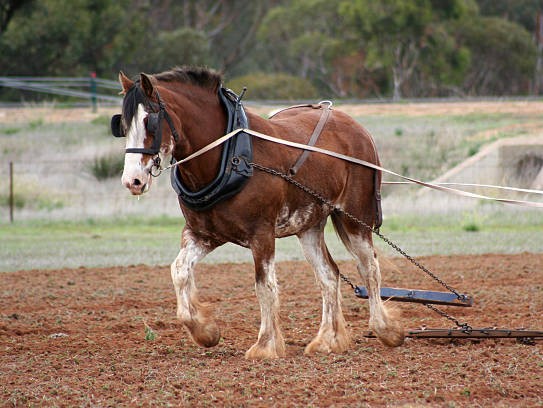
Another way to look at this is to ensure the workload is distributed fairly across the entire team. In doing so, we save our workhorse for where they are truly needed, allowing them to go above and beyond on selected projects and ensure the rest of the team is pulling their fair share. The fable of “Stone Soup” describes this concept well.
Stone Soup and the Myth of the Solo Performer
In the European folktale, a great famine was crossing the land. Families were worried about their food supplies and were hoarding them from their friends and neighbors.
One day, a peddler entered the town attempting to sell his goods. He decided to stay the night and asked a few questions about the village. “There’s no food here,” the townspeople said. “Better to move on.”
“Oh, I have everything I need,” said the man. “In fact, I was going to make a feast to share with all of you.” He then pulled a great cauldron from his wagon, filled it with water, and built a large fire under it. With great fanfare, he then dropped a large stone into the center with a clang.
At this point, the villagers were curious and came to see the loud noise and the louder peddler. As the townspeople watched , the peddler took a dip of the water with a spoon and sniffed it loudly. “This smells amazing,” he said, licking his lips with anticipation. The villagers moved closer.
The peddler waved to the crowd and acknowledged with a grin that “I do like a tasty stone soup!” He then recounted a time when he shared it with his friends. “One of my buddies had some carrots he added to the broth to make it even better.”
“I may have a carrot or two,” said one villager, and he ran home and came back with two carrots to drop in the pot. The man mentioned some other ingredients that make the soup taste better, such as potatoes, onions, garlic, chicken, and milk. One by one, the villagers volunteered to grab the food from their houses and bring it back.
In the end, the peddler shared the bounty of soup with the townsfolk, and they all enjoyed a great meal together.
Employee Load Sharing
The story of “Stone Soup” is about celebrating and engaging the entire team for the common good. While it’s nice to have a super-employee who will do everything, it’s also important to spread the load so they don’t burn out. There are several key benefits to sharing the load across the organization.
- The sum is greater than its parts. When one person is crushing a project, the solutions and progress come from one person only. By leveraging multiple members of the team, more ingredients or ideas are put into the pot to generate a better outcome than by working alone. While one stellar employee may be doing great, including everyone generates more options, solutions, and manpower.
- Community and cooperation. The boss’s job is to harness the full power of the organization, not use one sled dog to pull all the weight. Sled dogs that pull alone line-out incorrectly and injure themselves, whereas a synchronized team protects the lead dog. Sharing the load allows other employees to shine, feel like part of the team, and be part of the victories as a key player and not a backup. When employees are engaged, included, and successful, it inspires them to do better on the next project.
- Open-mindedness. When the peddler started making stone soup, he piqued the curiosity of the town. They all came out and wanted to see what was happening along with being a part of it. Working together in groups allows new ideas to be discussed, formed, and sometimes die or flourish. Different people working on new ideas foster a creative workforce. By bringing multiple people to the table, we bring diverse skill sets and unique perspectives that the single workhorse never would have thought of alone.
- Value of the individual. When the peddler gathered ingredients from everyone in the town, they all became part of the solution and had skin in the game. When individuals contribute to a successful mission, they feel valued, important, and relevant. Everyone wants to go to work each morning to do a good job. We need to find opportunities to help them do that.
Protecting High Performers and Including Everyone Else
Getting back to our exceptional employee. I’ve always said that we should never discourage motivation. If someone has an idea or new process they want to try, let them! Never squelch innovation.
But it’s critical that we’re monitoring these people so they don’t, first, get burned out and, second, feel like they’re the only ones contributing. Instead of crushing them on only no-fail projects, put them to work on projects that interest them and are ones that forward the company while not being mission critical.
The good thing is that they’ll continue to work hard, but now on projects that are in their sweet spot, where talents and passions intersect. Then, when a major issue comes up, we can pull the workhorse into that project to swoop in and save the day.
If you are the workhorse, then it’s time to start acting like the peddler. Take your project to the center of the employee village and start soliciting ingredients. While the peddler used a clever ruse to break through the villagers’ hesitation, you can use transparency and a shared vision to gather your team’s ingredients. When done right, your peer leadership will lift others up, give them an opportunity to shine, and spread the workload across the force.
If you’re the one watching the workhorse and on the outside, it’s time to step up. You have ingredients to the recipe that are needed in the organization. Now is the time to volunteer yourself for the next hard project, leverage those around you, and create some delicious soup yourself.
A Culture of Shared Burden
The stone soup fable illustrates an important organizational concept. There are people in our midst who are working too hard and burning out, or who are not working hard enough and bringing down the team. By distributing the load across these two types of employees, we can create a balanced workload that includes everyone, increases community, generates creativity, and creates individual value.
Stone soup is not just for a village. It’s for our organization.
Click here to sign up for The Maximum Standard’s weekly email where you’ll get a leadership vignette delivered for free every Tuesday morning!
We’re always looking for authors. We coach first time authors (and anyone) through the writing process if you need a little help. It’s worth taking the first step to get published.
This website is a personal blog and all writings, podcasts, opinions, and posts are the authors’ own and do not represent the views of the United States Army nor any other organization. Podcast music credit in this audio file is to: “Alex Productions – Legends” is under a Creative Commons license (CC BY 3.0). / @alexproductionsnocopyright

