by Stephen T. Messenger
August 11, 2026
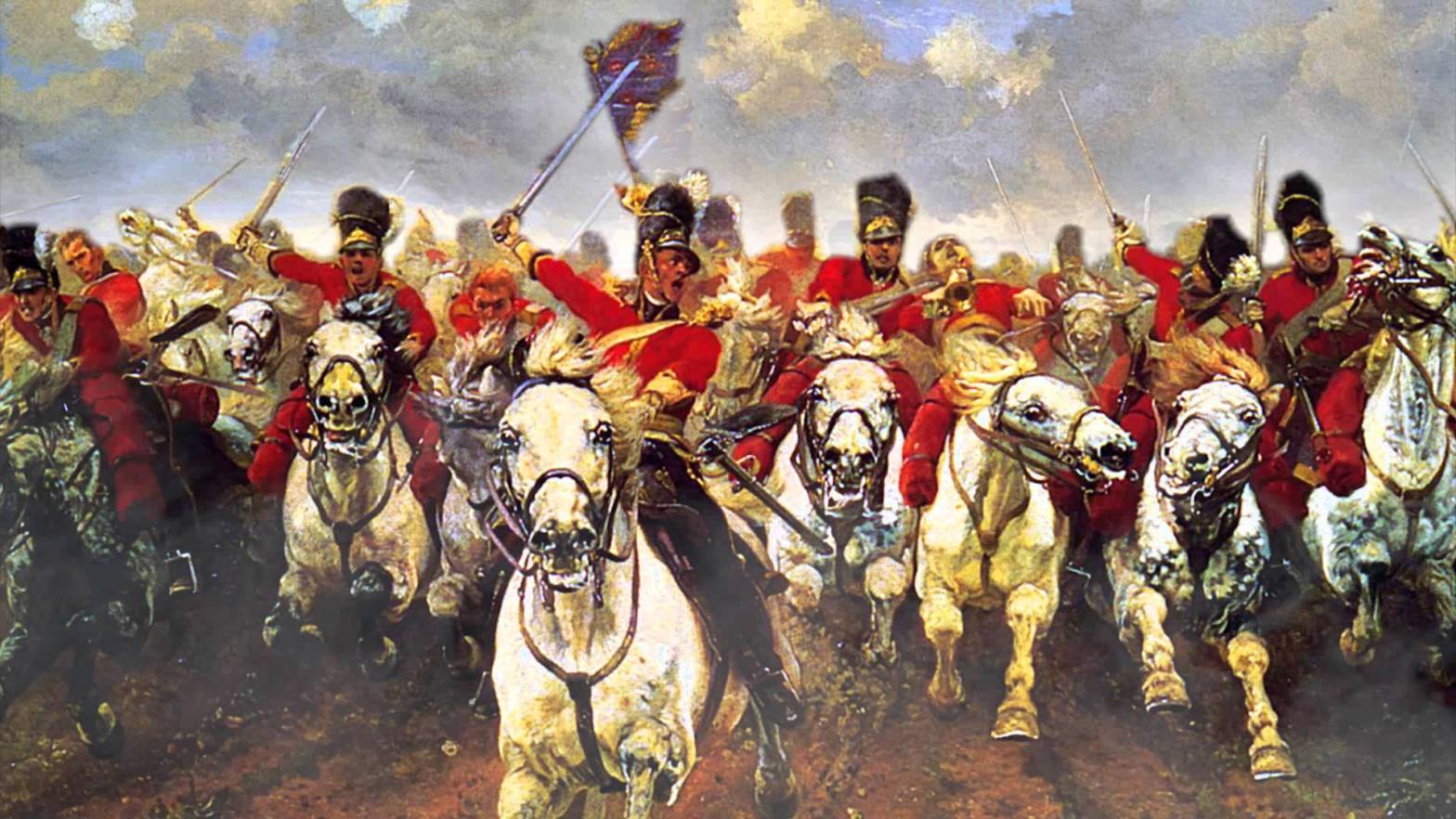
The cavalry charge on a battlefield was one of the most feared attacks a defender could face. Hundreds or even thousands of horses, galloping across an open plain, made both the ground and defenders quake. It’s so terrifying because of the seemingly unstoppable wave coming toward the defenders, where neither standing and fighting nor retreating is an option.
For the attackers, it’s a risky move. Anytime a force charges a fortified position, there is risk to the men and the mission. The best commanders know the right time to charge and calculate potential loss, asking, “In a worst-case scenario, will I survive this?”
Charging in organizational leadership is just as tricky. Anytime we commit people, resources, time, and training to an event, we run the risk of failing or succeeding but at great cost. Sometimes, it’s a great idea to charge. Sometimes it’s not. There are likely three outcomes. The move is a failure, and we lose everything. The decision is a success, but with a herculean loss. Or the charge is an overwhelming success with our resources intact.
The best leaders know how to assess risk through a cost-benefit analysis and know when to take the calculated gamble.
The Failed Charge
Sometimes, we go all in, committing the bulk of our resources, and lose them all. This happened during the Charge of the Light Brigade, a British cavalry charge in 1854 against heavily defended Russian troops in the Crimean War.
Lord Raglan ordered Lord Cardigan to advance rapidly and prevent the enemy from escaping with their guns. Unfortunately, the order was passed through multiple messengers and was relayed imprecisely. Cardigan thought the order was suicidal, as it required charging down a valley with Russian artillery on both heights. But to him, orders were orders, and he sent his 660 men into the breach.
In just 20 minutes, 375 horses were killed, 282 men were lost, and the British were in full retreat. This attack was made famous by Alfred, Lord Tennyson: “Theirs not to reason why, / Theirs but to do and die.” Modern executives fall into this same trap when they mistakenly go all in.
In 1985, Coca-Cola led a disastrous charge, galloping headstrong into a fight it could never win. Losing market share to Pepsi, leadership charged headfirst into “New Coke.” Abandoning 99 years of their classic signature taste, New Coke hit the market and immediately flopped.
Stock prices sank, Pepsi celebrated with a day off for its employees, and its top competitor declared victory in newspaper ads. Coke underestimated its brand loyalty as 8,000+ calls rolled into headquarters every day. Within 77 days, Coke held a press conference to apologize, and Coca-Cola Classic was back on the shelves.
When we invest time, resources, and people in a huge endeavor—be it a military charge, a new product, or an organizational initiative—we must first understand the environment and assess the risk. If not, we could lose it all.
The Pyrrhic Victory
Sometimes, a charge achieves the strategic goal, but the cost of victory is so devastating that it nearly destroys the organization. Military history calls this a Pyrrhic victory, and the Charge of the 1st Minnesota at Gettysburg is one of its most vivid examples.
On July 2, 1863, the Union line was on the verge of collapsing. Major General Winfield Scott Hancock had no reserves nearby and a mere five minutes to bring up reinforcements. He ordered the 262 men of the 1st Minnesota to charge into an advancing Confederate brigade of over 1,500 soldiers.
They did not hesitate. The regiment charged down the slope with fixed bayonets, blunting the Confederate assault and buying the critical time Hancock needed. The objective was met, and the Union line was saved, but at a horrific cost: 215 men fell, representing an 82% casualty rate—the highest single-regiment loss of the Civil War.
Corporate leaders take similar Pyrrhic risks when they charge after strategic dominance without calculating the ultimate cost. In 2019, Disney CEO Bob Iger led a massive $71 billion acquisition of 21st Century Fox to secure content for the launch of Disney+.
Disney won the bidding war and achieved its goal, instantly transforming into a streaming powerhouse. But the victory came at a crushing cost. The immense debt load, combined with subsequent industry shifts, forced Disney into severe cost-cutting, thousands of layoffs, and years of financial strain. They won the battle, but nearly crippled their balance sheet to do it.
A successful charge isn’t always a complete win. When calculating a gamble, leaders must ask not only, “Can we reach the objective?” but “Can we survive the price of winning?”
The Overwhelming Success
Finally, there are moments when a leader assesses the battlefield, takes a calculated gamble, and executes a charge that achieves total victory while keeping the organization intact. The Charge of the British Heavy Cavalry Waterloo is a masterclass in this level of execution.
On June 18, 1815, French infantry threatened to break the Allied center. Seeing the impending disaster, Major General Lord Edward Somerset led the British Cavalry —consisting of elite cavalry regiments—in a sweeping counter-charge. Timing the attack perfectly, the heavy cavalry smashed into the exposed French columns, routed the enemy formation, and relieved the pressure on the line. They achieved their strategic objective, halted the French momentum, and preserved the core of their force for the remainder of the battle.
Modern business leaders execute the same decisive move when they commit everything to a vision without destroying their core organization. In 2007, Steve Jobs led Apple in a high-stakes charge to launch the iPhone.
At the time, Apple was dominating the portable music market with the iPod. Launching a smartphone threatened to cannibalize its own best-selling product and required redirecting top engineering talent and capital into an unproven device. But Jobs calculated the risk, timed the market, and went all in. The iPhone didn’t just succeed—it revolutionized personal technology, created an entirely new ecosystem, and elevated Apple into one of the most valuable companies in history, all while keeping the business stronger than ever.
The best leaders don’t charge recklessly. They evaluate the ground, weigh the potential loss, and strike when the opportunity for decisive, sustainable success is highest.
Knowing When to Charge
Every leader will eventually face a moment that demands a charge. Before giving the order, evaluate your terrain, calculate the true cost, and make sure your team can survive the victory. Don’t charge to make noise. Charge to win decisively.
Click here to sign up for The Maximum Standard’s weekly email where you’ll get a leadership vignette delivered for free every Tuesday morning!
We’re always looking for authors. We coach first time authors (and anyone) through the writing process if you need a little help. It’s worth taking the first step to get published.
This website is a personal blog and all writings, podcasts, opinions, and posts are the authors’ own and do not represent the views of the United States Army nor any other organization. Podcast music credit in this audio file is to: “Alex Productions – Legends” is under a Creative Commons license (CC BY 3.0). / @alexproductionsnocopyright

